
Tracking pygmy blue whale migration, health and ocean change along the Indonesian through-flow Corridor
600+ whales
Estimated to use the migration corridor annually
5,000 km
Approximate round-trip migration distance
2 survey windows
Northward and southward migrations each year
No long-term dataset
Existing knowledge of this corridor remains extremely limited
Click here to join an Expedition!
Introduction
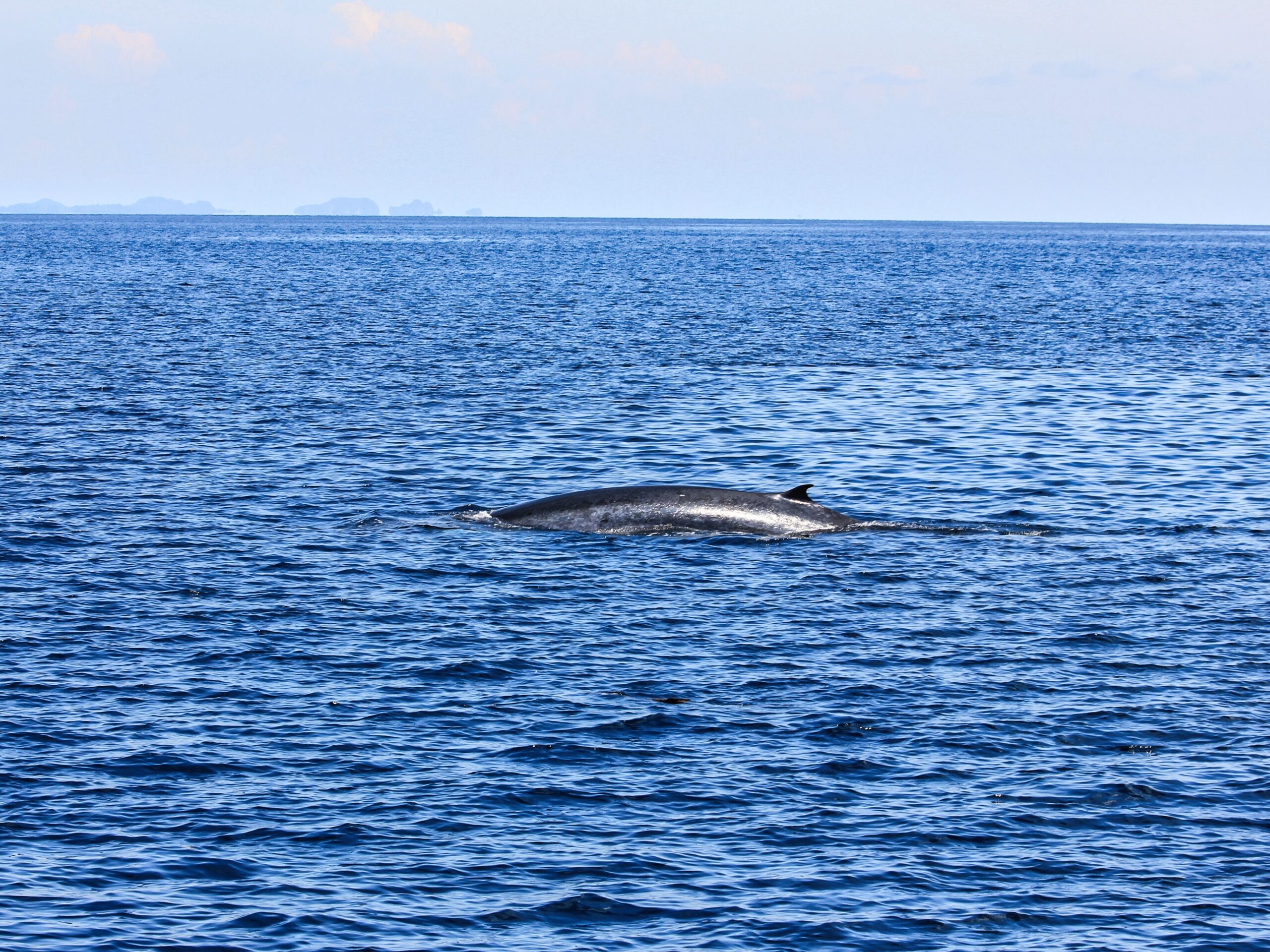
Every year, more than 600 pygmy blue whales undertake a migration of approximately 5,000 kilometres between Antarctic and sub-Antarctic feeding grounds and breeding or wintering areas in the Banda Sea.
During this journey, they travel through the narrow passages of the Indonesian Archipelago and pass through the Ombai–Wetar Strait off Timor-Leste.
This corridor intersects the Indonesian Throughflow—one of the largest transfers of ocean water on Earth and a major connection between the Pacific and Indian Oceans.
Despite its ecological significance, almost no long-term scientific datasets exist for this migration route. Population identity, individual health, migration timing and the whales’ relationship with a changing ocean remain poorly understood.
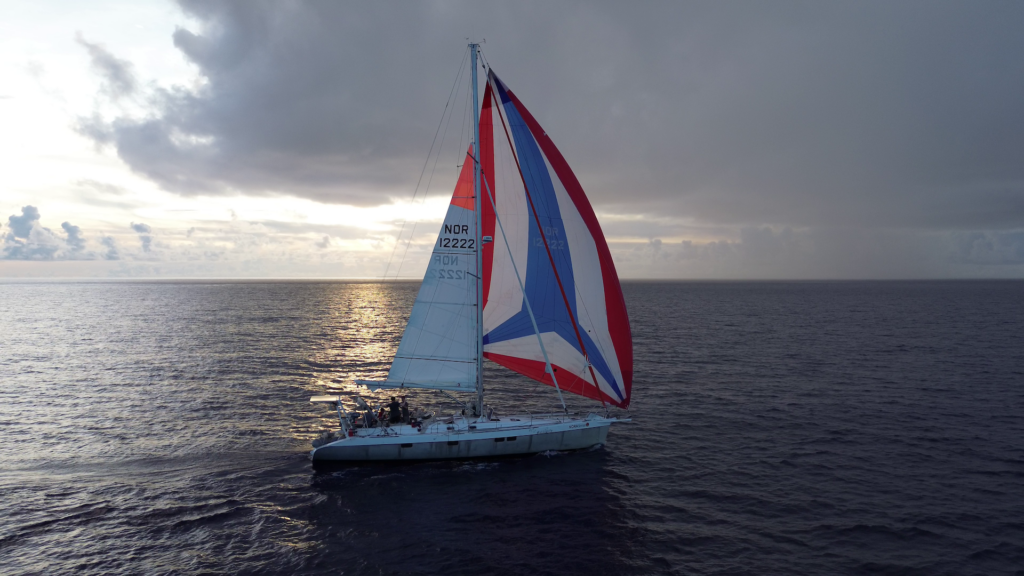
The Blue Highway will establish a systematic, multi-year research programme aboard S/Y Nora Simrad, combining whale observations, photographic identification, drone photogrammetry and oceanographic measurements.
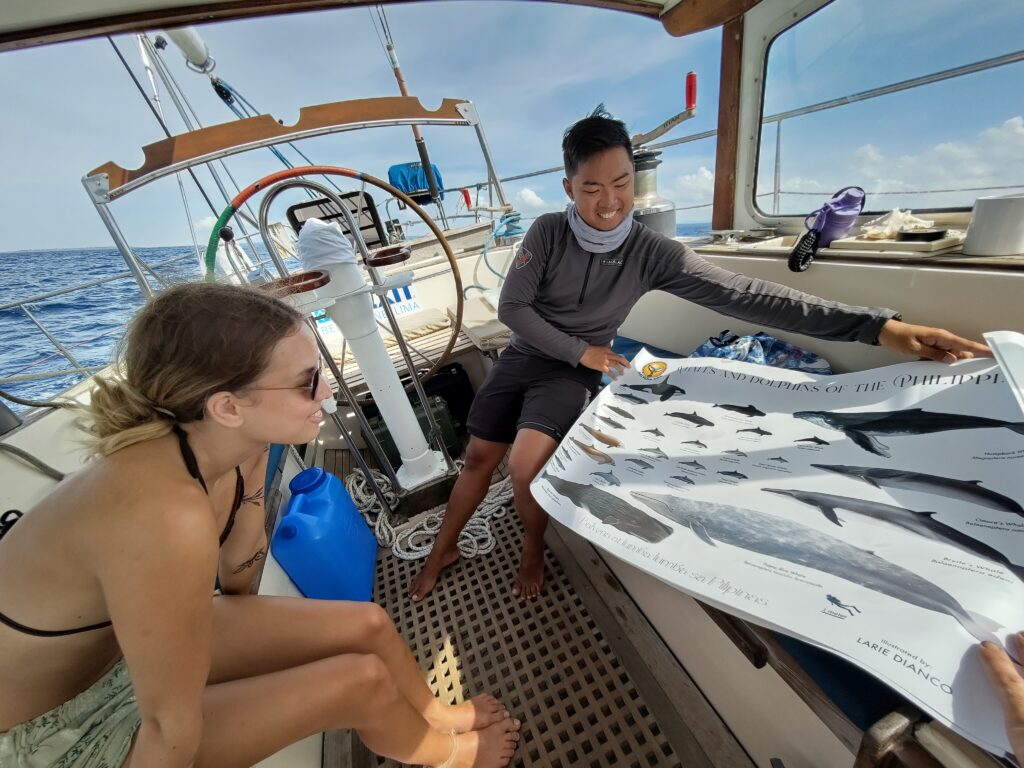
New sightings from the Philippines also raise the possibility that the migration extends much farther north than previously documented—potentially towards a contact zone with North Pacific blue whales.
Project overview
Lead organisation - Wicked Horizon Academy
Duration - Three years, starting 2027
Survey windows - June–August: northward migration; October–December: southward migration
Research vessel - S/Y Nora Simrad
Target species - Pygmy blue whale (Balaenoptera musculus brevicauda)
Primary survey corridor - Timor Sea, Ombai–Wetar Strait and Banda Sea
Extended investigation area - Philippines and Palau
Current status - Seeking university and research partners
Organisational base - Norway and Switzerland
Four integrated research questions
01 — Population identity and connectivity
Individual whales will be documented through photographs of their flanks, dorsal fins and pigmentation patterns.
These records will be compared with existing catalogues from Australia, Antarctica, Sri Lanka, Indonesia and the Philippines.
The research will help determine:
- whether the same individuals return each year;
- how different feeding and breeding areas are connected;
- whether whales observed in the Philippines belong to the same population;
- how the regional population relates to neighbouring blue whale populations.
02 — Body condition and climate
Drone-based photogrammetry will be used to estimate the size and body condition of individual whales.
Repeated measurements can indicate whether changes in ocean temperature, productivity and prey availability are affecting their nutritional health.
This may provide early evidence of how a changing climate is influencing the whales and the food systems on which they depend.
03 — Oceanographic profiling
Surface temperature, salinity, productivity and other environmental parameters will be recorded throughout the survey corridor.
Measurements will be collected during both migration seasons to build a picture of the physical and biological ocean environment encountered by the whales.
The data will help reveal how whale movements relate to:
- seasonal ocean conditions;
- the Indonesian Throughflow;
- marine productivity;
- longer-term environmental change.
04 — Northern range extension
Confirmed and repeated sightings in the Philippines suggest that some pygmy blue whales may travel beyond the Banda Sea. The programme will investigate whether their range extends towards the Bohol Sea and Palau—and whether this region represents a potential contact zone between Indo-Australian pygmy blue whales and North Pacific blue whales.

The migration route
The whales leave Antarctic and sub-Antarctic feeding grounds in late autumn and travel north through the eastern Indian Ocean. Some pass the Perth Canyon off Western Australia before continuing through the Timor Sea and the narrow straits of the Indonesian Archipelago. S/Y Nora Simrad will survey the Ombai–Wetar Strait during both the northward and southward migrations. From there, the whales continue into the Banda Sea, an important tropical breeding and wintering area. A repeatedly sighted whale known as “Bughaw” in the Philippines’ Bohol Sea raises the possibility of a much longer northern migration route. Investigating this potential extension is one of the programme’s most important research opportunities.
Citizen Science
Come aboard. Do real science.
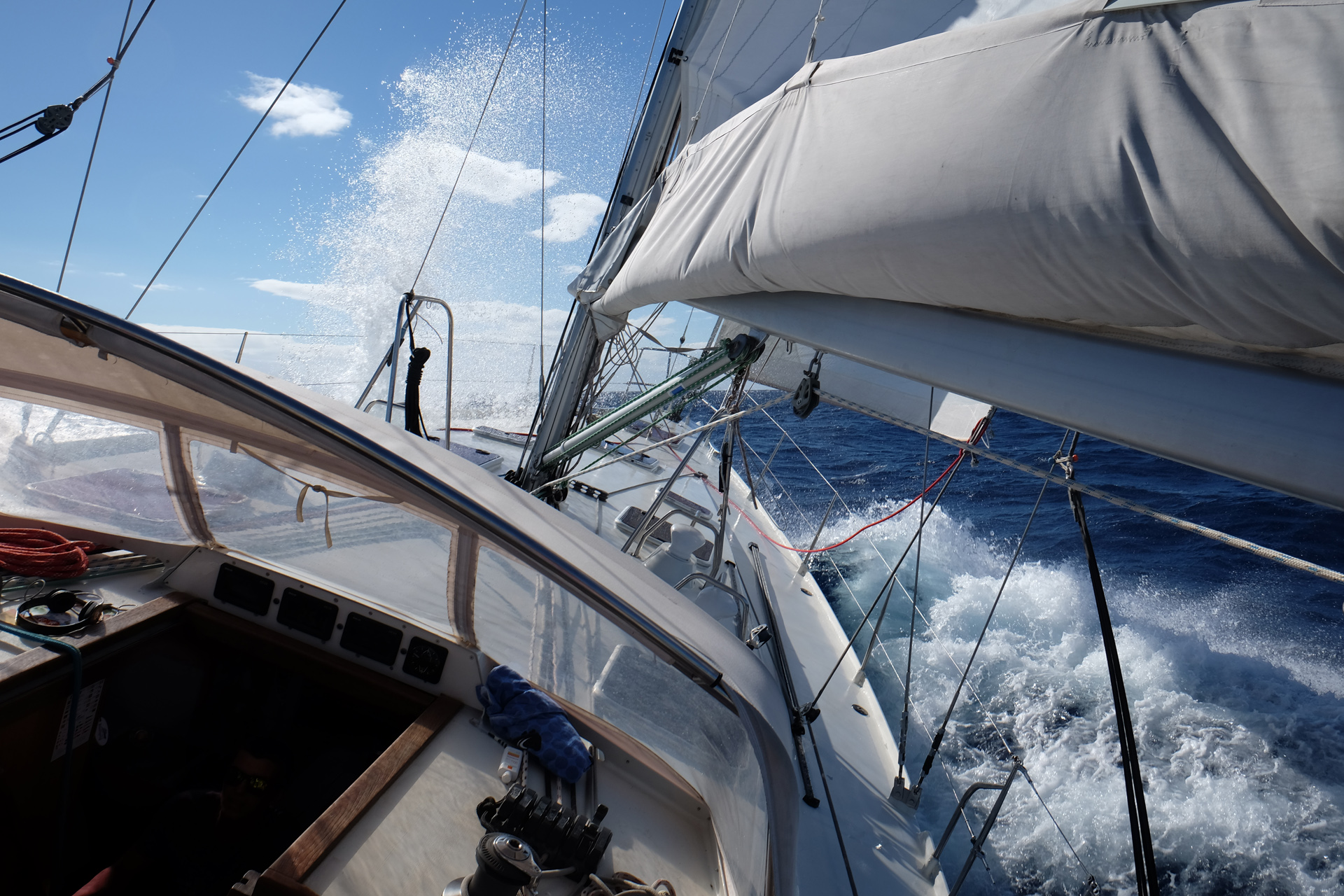
Participants will sail and work alongside the research team aboard S/Y Nora Simrad. Depending on qualifications and project requirements, they may assist with:
- visual observations;
- photographic identification;
- environmental measurements;
- data recording;
- drone support;
- navigation and vessel operations.
The programme gives researchers, students and citizen scientists the opportunity to contribute directly to one of the least-understood whale migration routes in the world.
Recent Comments