
Expedition-based learning aboard S/Y Nora Simrad
More than a decade at sea
Firsthand experiences from global expeditions
More than 50 countries visited
Stories from diverse cultures and ecosystems
Multiple educational formats
Talks, workshops, digital expeditions and onboard participation
One central aim
To replace resignation with curiosity, understanding and action
Introduction
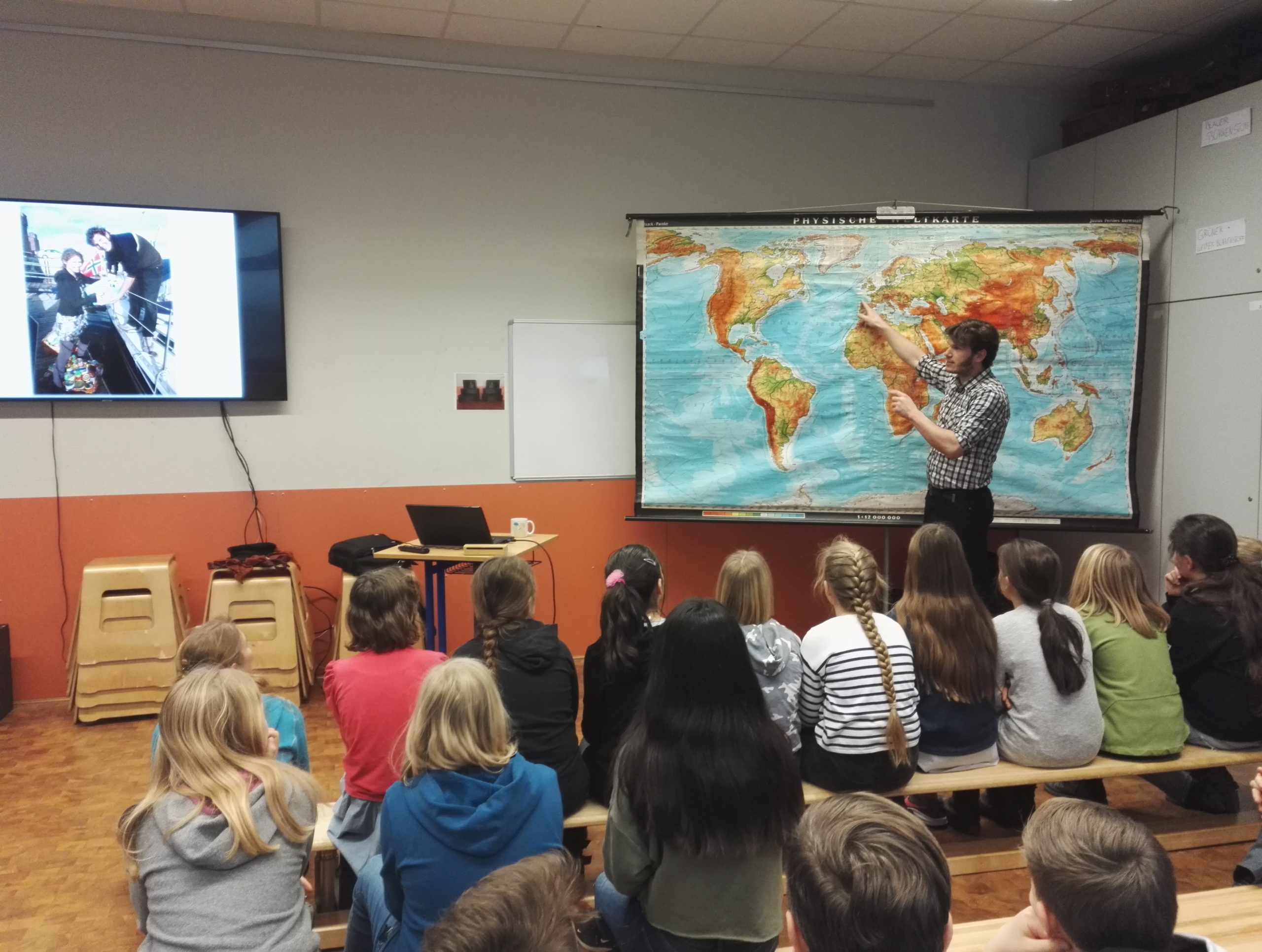
Wicked Horizon works with schools, Folk High Schools and educational institutions to strengthen ocean literacy, environmental understanding and cultural awareness. The programme is based on firsthand experiences from sailing expeditions, marine research and encounters with communities around the world. Students are introduced to the beauty and diversity of the planet, but also to climate change, plastic pollution, biodiversity loss and social inequality. The approach is deliberately constructive. Environmental challenges are presented together with examples of individuals, communities and organisations that are already creating change. The aim is to foster hope, responsibility and the confidence to act.
Programme overview
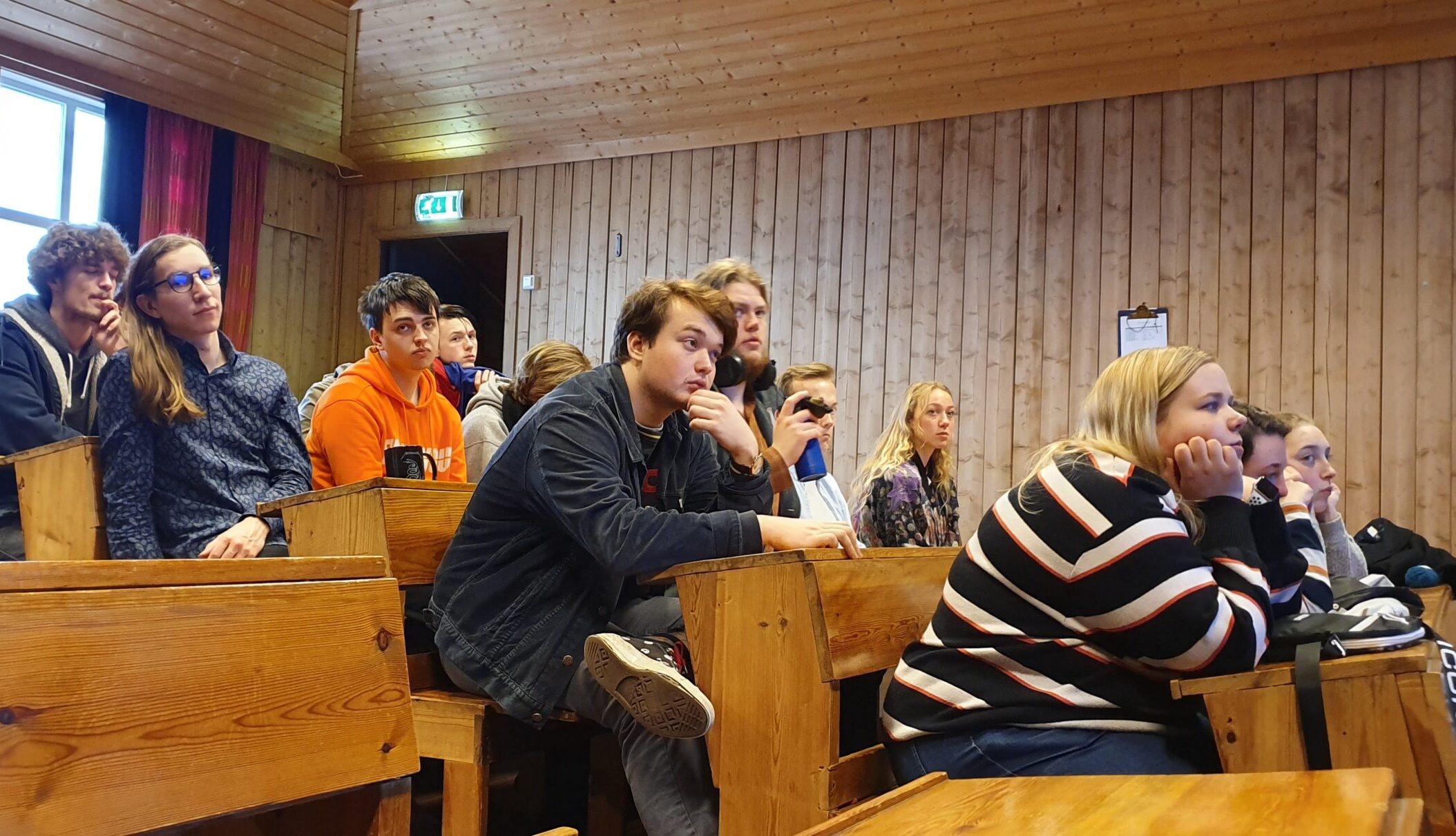
Educational activities combine storytelling, photography, film, discussion and practical exercises. Depending on the age group and educational context, activities may include:
- presentations and lectures;
- facilitated workshops;
- debates;
- digital links to live expeditions;
- project cooperation with teachers;
- student research assignments;
- participation aboard S/Y Nora Simrad.
The programme connects classroom learning with real people, places and research activities.
Project overview
Lead organisation - Wicked Horizon Academy
Primary locations - Norway and selected international schools
Target groups - Lower and upper secondary schools, Folk High Schools and universities
Delivery formats - Talks, workshops, digital expeditions and onboard activities
Main themes - Ocean literacy, sustainability, culture, biodiversity and critical thinking
Programme status - Ongoing
Programme heritage - Developed from the educational work of Amanda Sailing
Four educational objectives
01 — Ocean literacy
Help students understand how the ocean influences climate, biodiversity, communities and everyday life.
02 — Critical thinking
Encourage students to question apparently simple solutions and examine environmental, economic and social trade-offs.
03 — Cultural understanding
Promote curiosity and respect towards people from different cultural and geographical backgrounds.
04 — Empowerment
Show that environmental and social problems are serious but not hopeless—and that informed individuals can contribute to positive change.
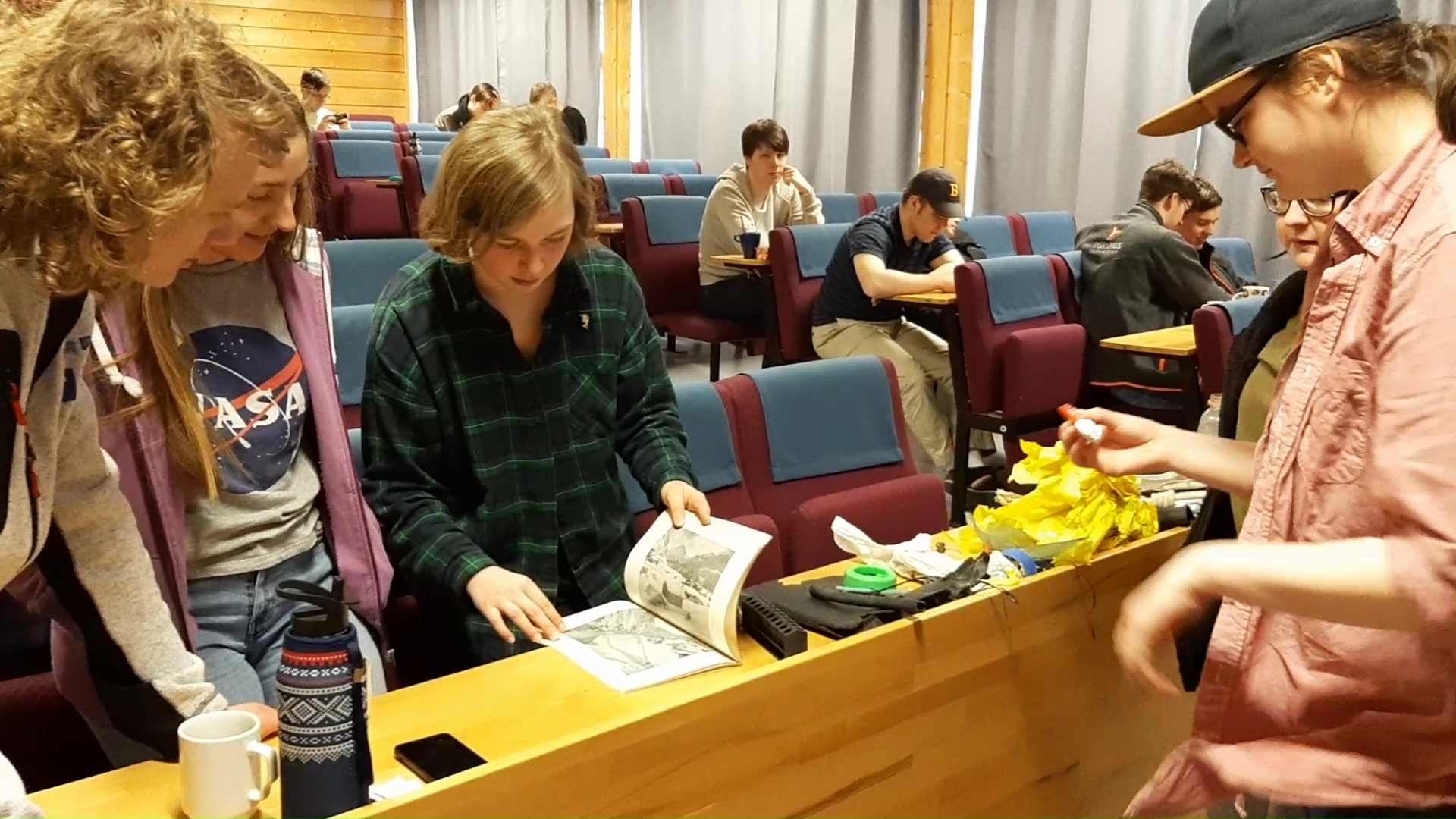
Talks and workshops
The world is not that bad
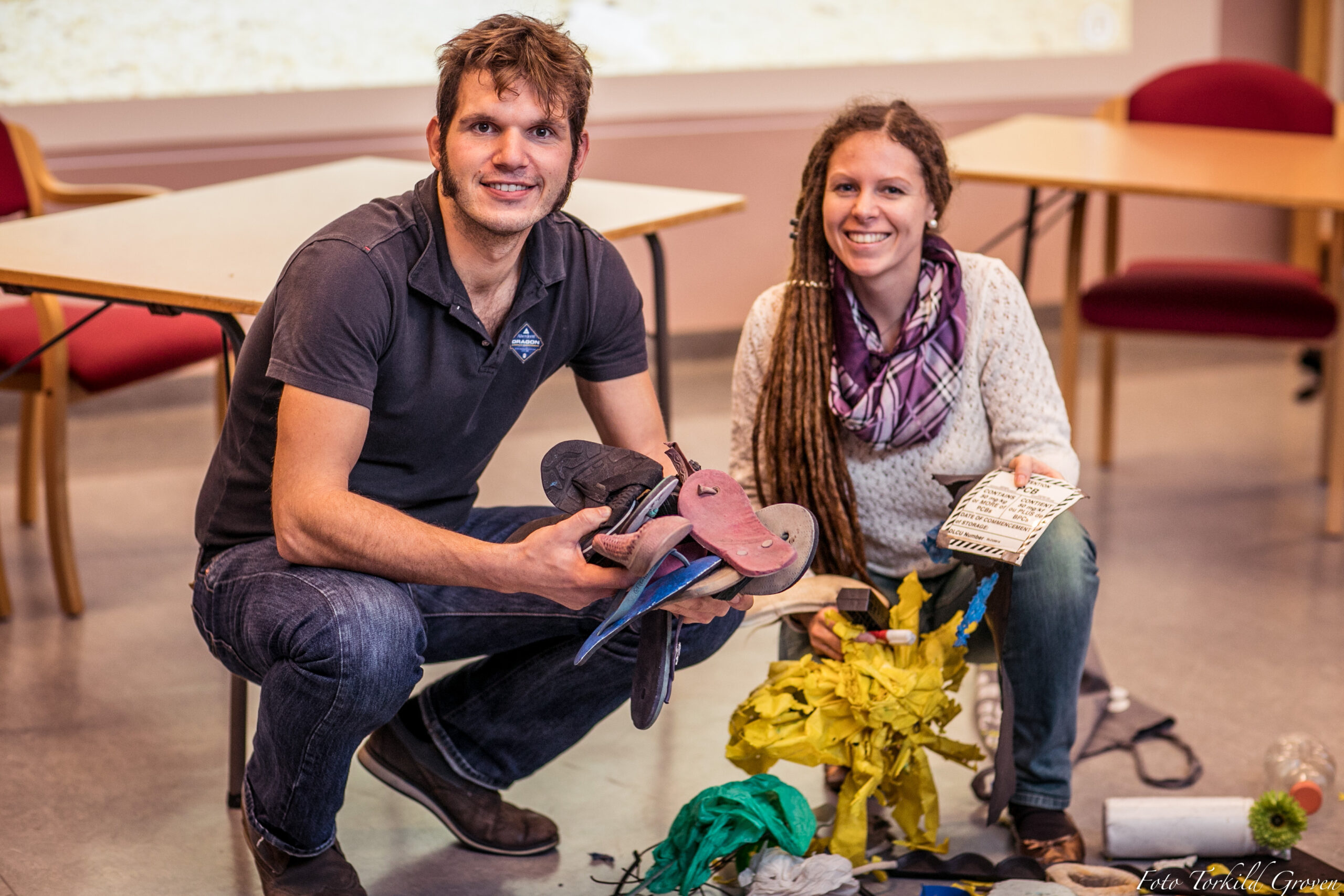
This presentation uses stories from circumnavigations and global expeditions to show that the world remains a remarkable place worth protecting. Students encounter volcanoes, wildlife, remote island communities and extraordinary examples of hospitality. Climate change, plastic pollution and threatened species are discussed alongside projects and people working successfully to address these challenges. The purpose is to replace fear and resignation with hope and engagement.
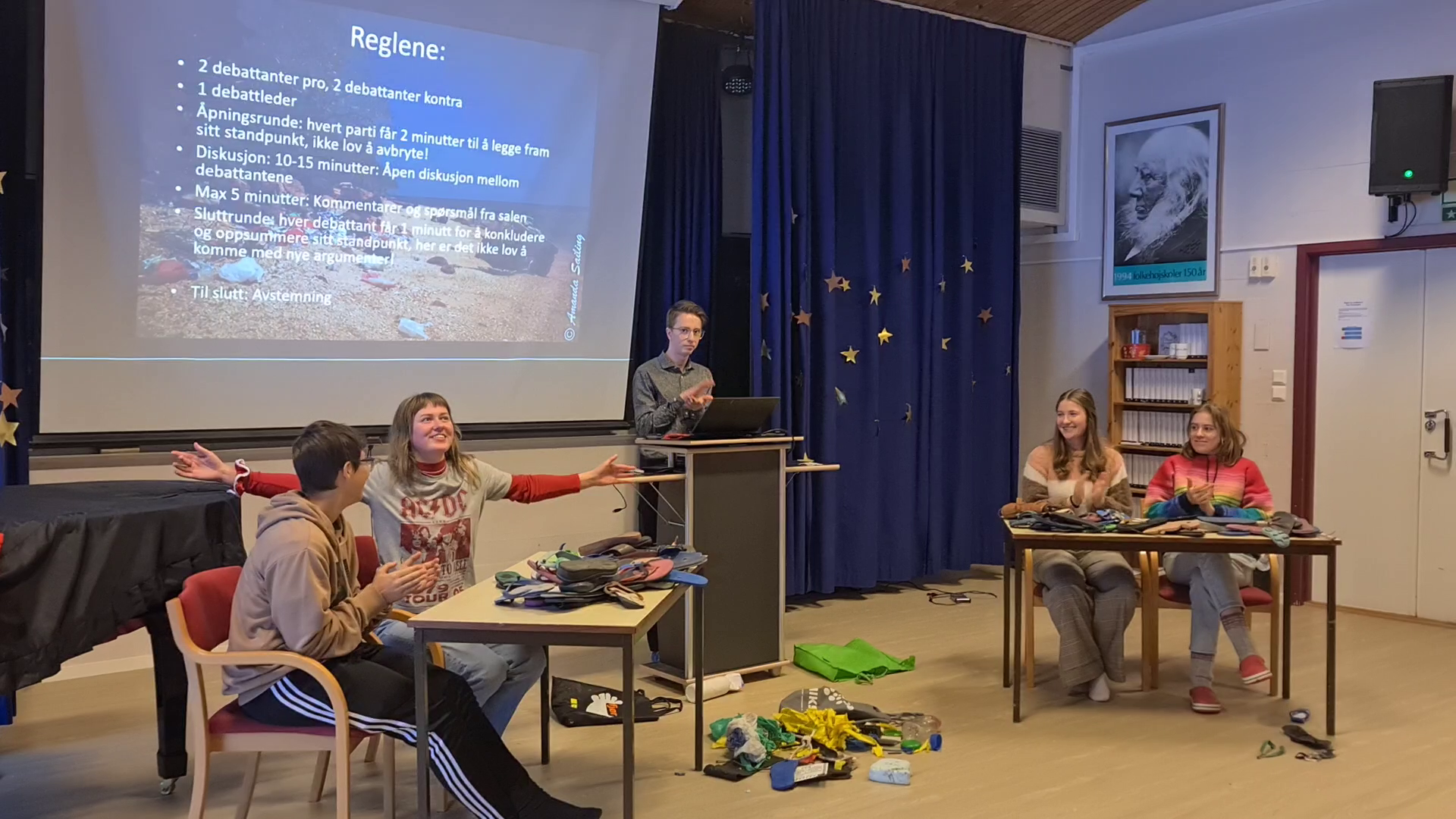
Plastic Debate
Students investigate a proposed solution to plastic pollution and take part in a structured debate. Examples such as converting plastic waste into fuel demonstrate that an apparently straightforward solution may also increase emissions, maintain dependence on fossil fuels or create new policy challenges. Students learn to consider:
- environmental benefits and costs;
- unintended consequences;
- economic feasibility;
- political decision-making;
- the difference between local and large-scale solutions.
Culture Puzzle
Students are shown photographs of people encountered during Wicked Horizon expeditions and asked to imagine their lives and backgrounds. They are then introduced to the individuals’ real stories. The exercise demonstrates that assumptions are a natural part of how people interpret the world, but become harmful when they replace curiosity, communication and personal contact. The workshop encourages openness towards cultural diversity and explores its importance for inclusive and democratic societies.
Marine Ecosystems
This workshop introduces coral reefs, coastal ecosystems, biodiversity and the relationship between human activity and ocean health. Students work with observations, photographs and case studies from current Wicked Horizon expeditions. Topics may include:
- protected and unprotected reefs;
- plastic pollution;
- sustainable use of marine resources;
- habitat degradation;
- ecosystem recovery;
- conservation action.
From the classroom to the expedition
Digital expeditions allow students to follow fieldwork while it is taking place. Schools may communicate with the crew, receive updates from remote research areas and work with questions or datasets arising from the expedition. Selected students may also participate aboard S/Y Nora Simrad, connecting classroom learning directly with field research, teamwork and life at sea.
Recent Comments