
Expedition-based learning aboard S/Y Nora Simrad
3–4 weeks aboard
An intensive residential and field-learning experience
Small multidisciplinary groups
Students live, work and conduct research together
Real-world fieldwork
Coral reefs, plastic pollution, marine resources and sustainability
Learning through responsibility
Navigation, teamwork, resource management and daily life at sea
Introduction
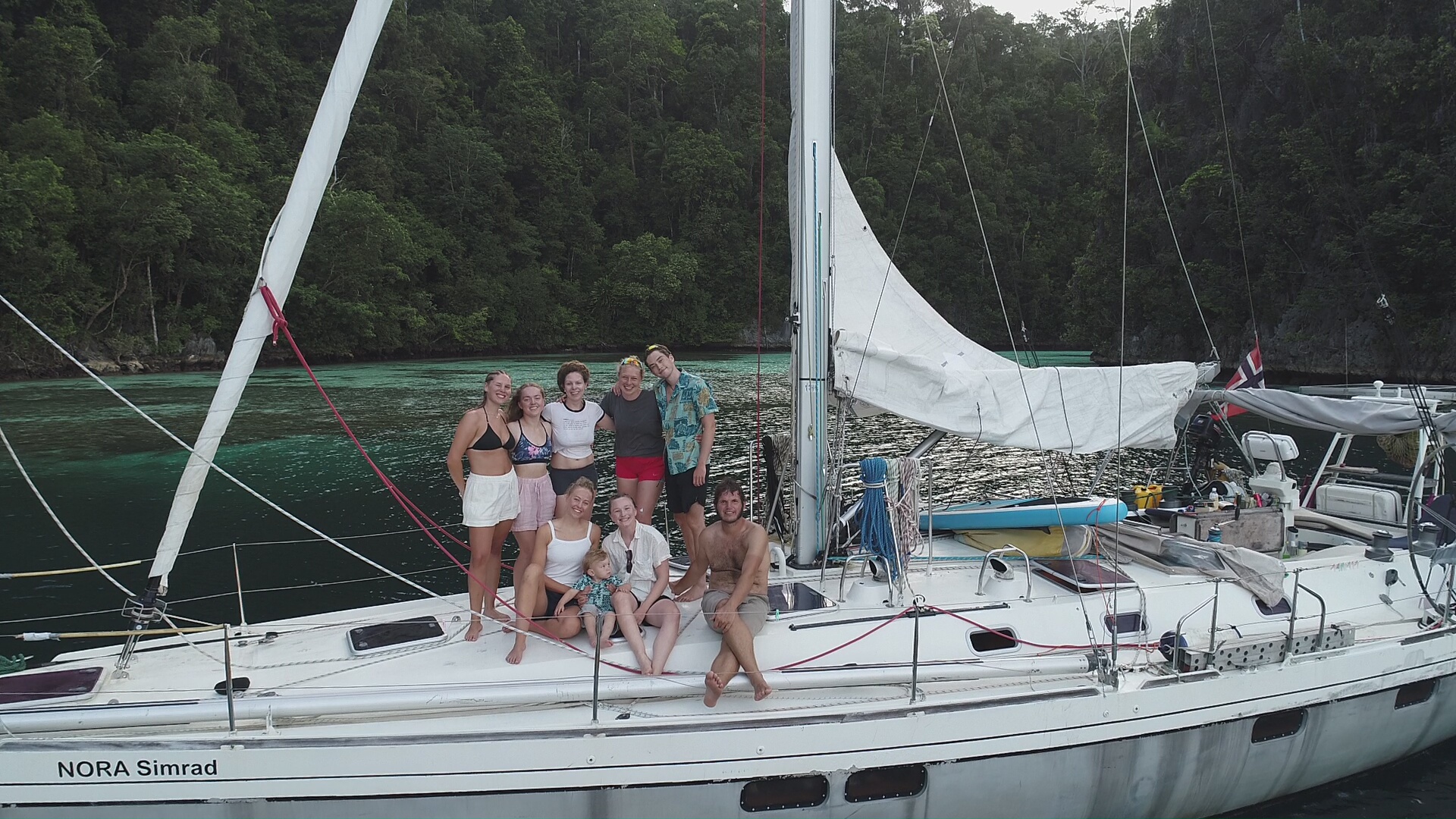
Wicked Horizon offers internships and residential learning programmes aboard S/Y Nora Simrad. Living and working on a sailing vessel creates an unusually direct learning environment. Freshwater, energy, storage space and other resources are limited. Responsibilities must be shared, decisions have immediate consequences and the success of the expedition depends on cooperation. The vessel therefore acts as a practical microcosm for exploring sustainability, resilience, community and personal responsibility. Participants combine academic learning with field research and the realities of everyday life at sea.
Programme overview
The internship programme brings together two complementary elements:
Ocean Health: A field-based academic internship focused on marine ecosystems, biodiversity, pollution and human use of ocean resources.
Sustainable Living: A residential programme examining how people manage shared responsibilities and limited resources within a small onboard community.
Together, these programmes connect environmental research with personal experience and practical action.
Project overview
Lead organisation - Wicked Horizon Academy
Research and learning platform - S/Y Nora Simrad
Typical duration - Three to four weeks
Typical group size - Up to six students
Current academic cooperation - Norwegian University of Life Sciences
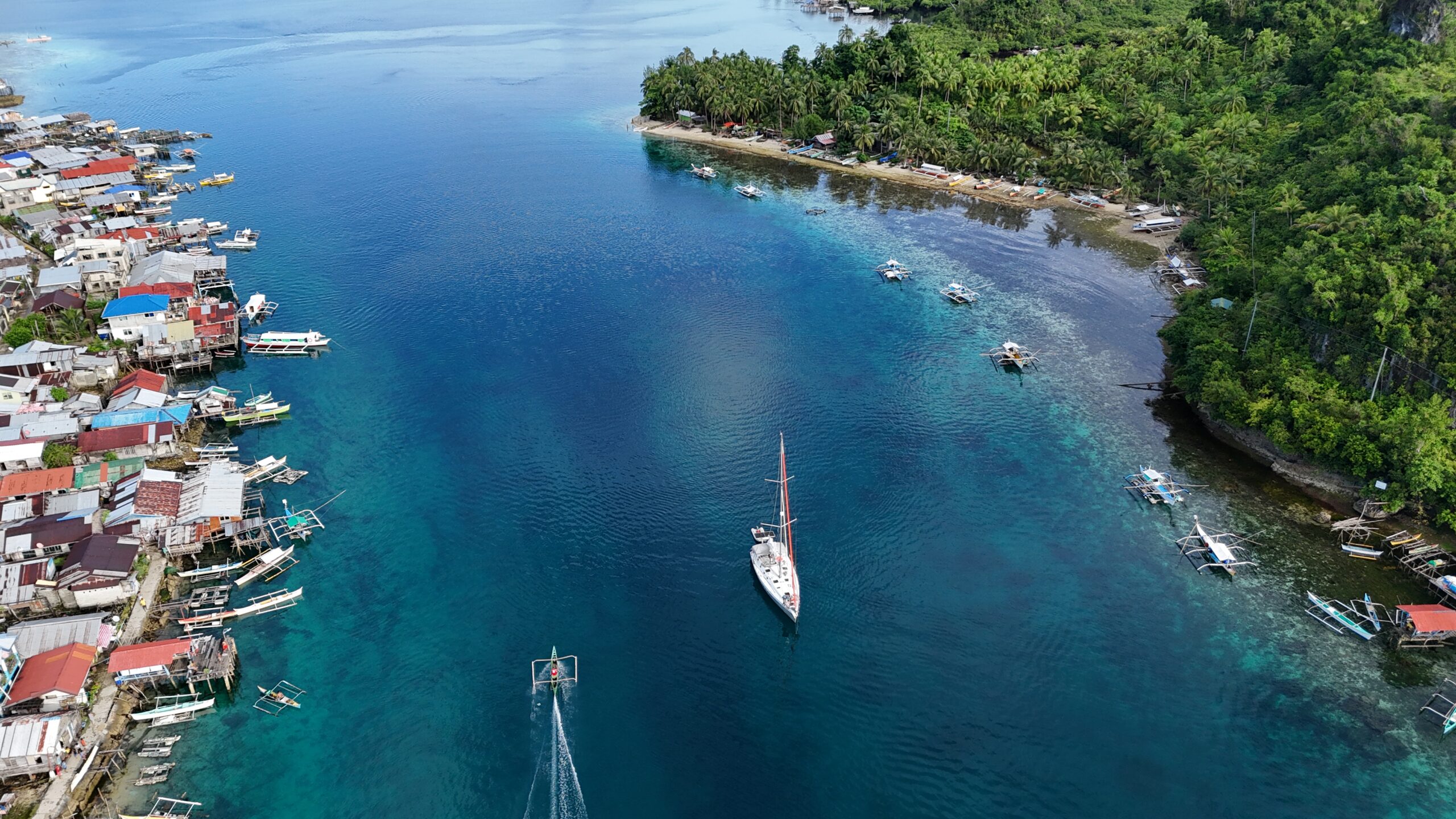
Primary expedition regions - Eastern Indonesia and the Philippines
Main themes - Ocean health, biodiversity, plastic pollution, sustainability and teamwork
Programme status - Ongoing
Four areas leading objectives
01 — Environmental understanding
Participants experience marine ecosystems directly and observe both their beauty and vulnerability. Research may include coral reefs, protected areas, plastic pollution, atmospheric microplastics and coastal resource use.
02 — Field research
Students gain practical experience in observation, sampling, documentation and data management. They learn how research methods must be adapted to weather, vessel movements, local conditions and the logistical constraints of remote fieldwork.
03 — Sustainable living
Daily life aboard requires careful management of water, energy, food, waste and equipment. Participants experience the relationship between individual behaviour, shared resources and collective responsibility.
04 — Personal and professional development
The programme develops independence, resilience, teamwork, critical thinking and intercultural understanding. Participants are encouraged to consider how the experience can influence their future studies, professional choices and approach to sustainability.
Ocean health internship
Since 2024, Wicked Horizon has worked with the Norwegian University of Life Sciences in Ås to offer an internship entitled Ocean Health. Students spend approximately four weeks aboard S/Y Nora Simrad, participating in research related to:
- coral-reef biodiversity;
- protected and unprotected ecosystems;
- marine resource use;
- plastic pollution;
- atmospheric and marine microplastics;
- expedition sustainability.
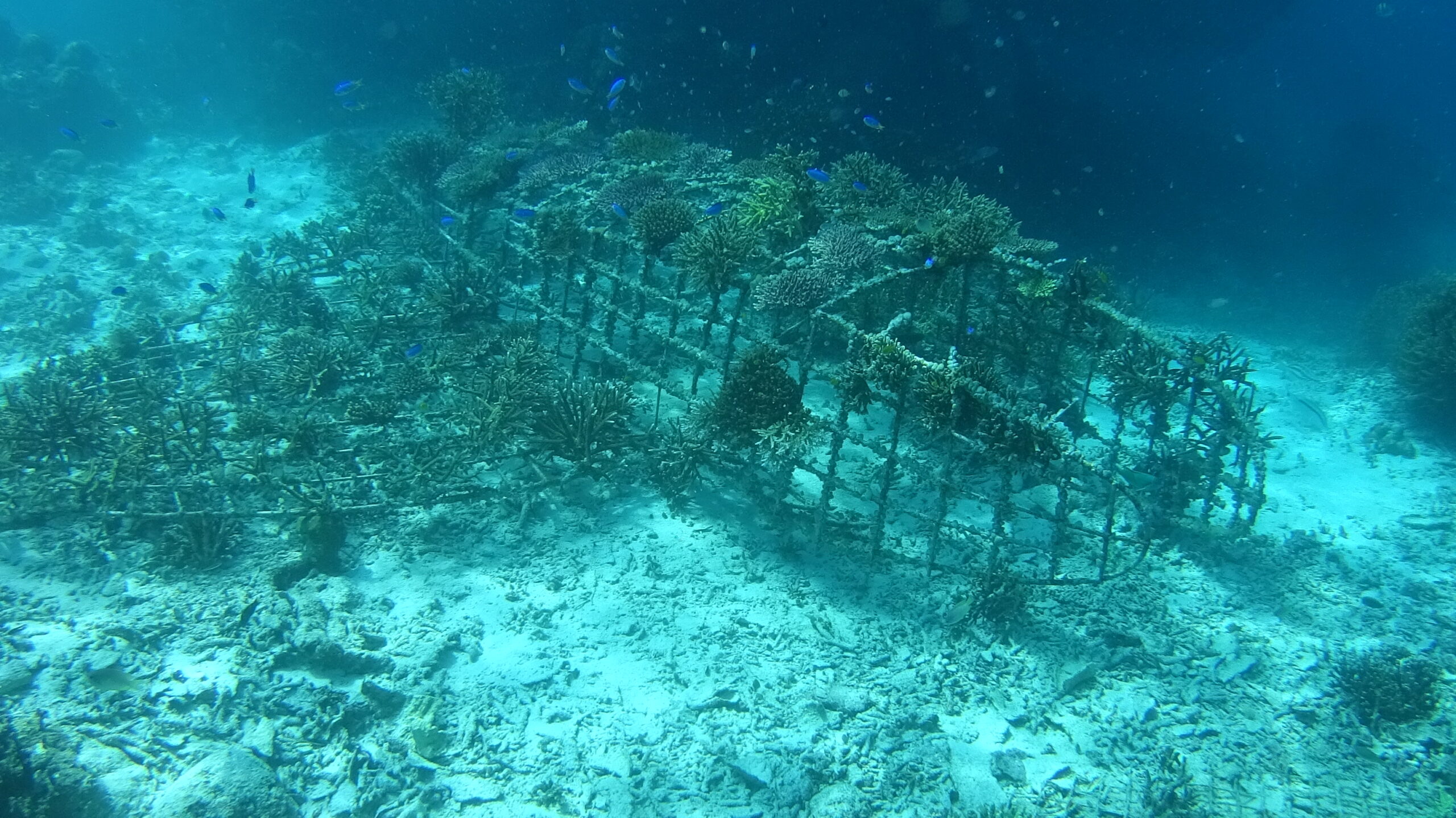
During fieldwork in Raja Ampat, students observed marked differences between protected and unprotected reef areas. Their experience demonstrated directly how effective conservation can support biodiversity recovery.
Work in the Philippines has expanded the programme to include coastal livelihoods, seaweed farming, environmental change and community dependence on marine resources.
Sustainable living workshop
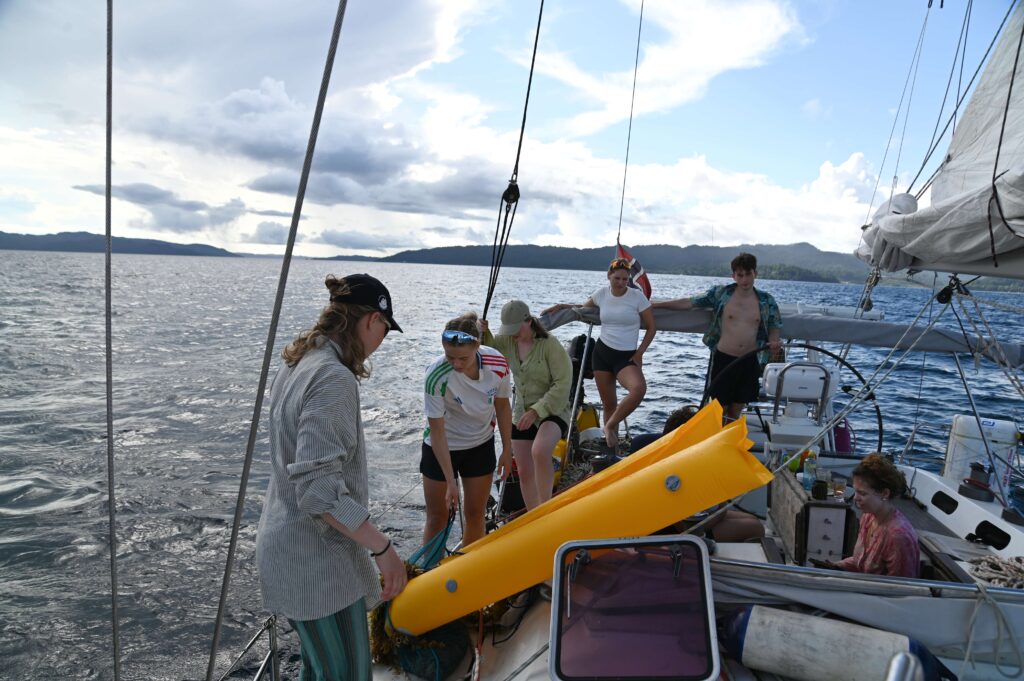
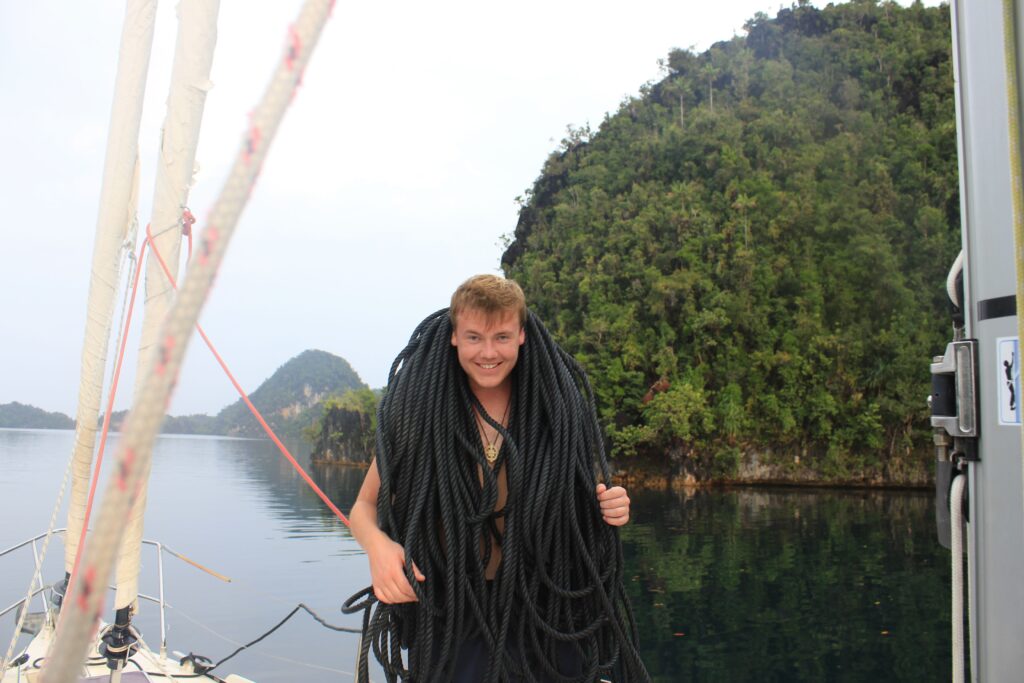
The Sustainable Living workshop invites young adults to live and learn together aboard the vessel for three to four weeks. Participants share responsibility for:
- navigation and watchkeeping;
- cooking and food planning;
- water and energy management;
- cleaning and maintenance;
- decision-making;
- teamwork and conflict resolution.
The workshop considers larger questions through everyday experience:
- What does responsible consumption mean?
- How do we cooperate under pressure?
- How do limited resources affect our choices?
- How are sustainability and well-being connected?
- What responsibilities do individuals have towards a community?
The programme is led by experienced skippers and educators and combines practical work with structured reflection.
Recent Comments